
Concealed Flush Tank: Types, Benefits, Installation & Maintenance Guide
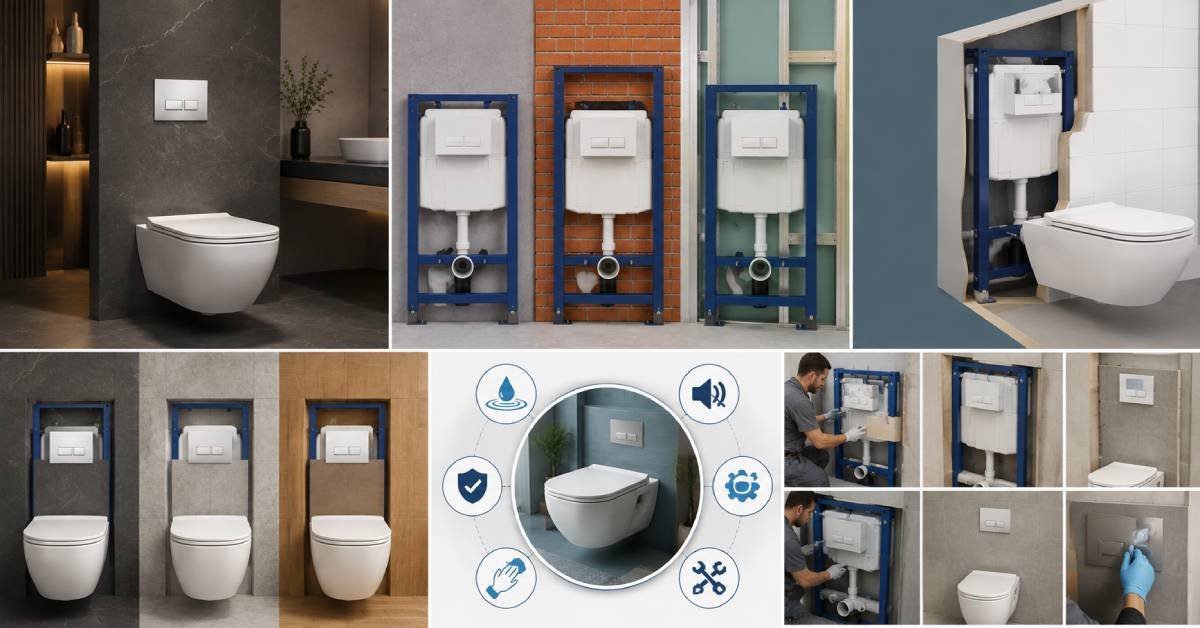
When you install a concealed flush tank the flushing mechanism and cistern are installed inside a wall-lining framework or inside the wall itself, unlike a traditional cistern, which typically sticks out of a bathroom wall.
Imagine stepping into a contemporary bathroom space. Your eye falls upon a concealed flush tank with frame that seems to almost float off the wall. There's very little clutter on the floor, nothing visually obvious like the bulk of a large cistern being displayed.
But they're not only chosen purely to benefit their appearance. When contrasted with a traditional cistern, there are even more reasons than just that for homeowners and designers alike to opt for concealed systems.
Here is what you need to know about choosing, installing and cleaning a concealed flush tank and all that it entails.
What Is a Concealed Flush Tank?
A concealed flush tank is simply a toilet cistern that is hidden from view behind the finished wall surface. The cistern holds the water used in the flush and the flush plate is used to operate the flushing system.
In contrast to traditional toilets, where all the working components are visible in front of the wall, a concealed flush system provides a more minimalist, streamlined look to the bathroom suite as no cistern is visible.
Top choices include Roca, Geberit, and Grohe concealed flush tank.
Types of Concealed Flush Tanks
Different versions of concealed flushes are available depending on the application and style of the pan:
1. Wall-Hung Frame Cisterns
These cisterns are incorporated into an internal strong metal frame and can also support a wall mounted flush tank and position it, the flush plate, drains, and water inlet.
If you are installing wall-hung sanitaryware, a concealed flush tank with frame (full or half) is the most reliable option for giving support for the WC pan and helping you with a neat installation.
After installation, the frame cistern and plumbing are hidden with a suitable wall finish.
2. Back-to-Wall or Wall-Inset Cisterns
These cisterns are built into a solid wall or a partition wall and used with back-to-wall WC pans that are floor mounted. They give a similar modern, unobtrusive finish as a wall-hung WC without a wall hung pan.
The wall needs to be wide enough to incorporate a tank, pipes, and an inspection box to reach the internals. An experienced person will verify this possibility beforehand.
3. Furniture-Housed Cisterns
Furniture housed flushing cisterns include a slim tank within bathroom furniture, e.g., cabinets, vanity units, etc.
This approach can prove extremely useful when the wall depth or other circumstances do not allow for installation of wall-housed cisterns or any deeper structure into the wall.
You should remember, however, to check if the unit contains a specific maintenance panel to gain access to the cistern.
4. Mechanical and Pneumatic Cisterns
These cisterns use either rods or cables for operation (mechanical systems). Mechanical systems are often simpler and more reliable if they are properly installed and operated with a suitable flushing system.
While Pneumatic Cisterns use compressed air (pneumatic systems) operated via a small tube. Pneumatic flush cisterns provide far greater flexibility when positioning a flush plate than conventional mechanical systems.
5. Dual-Flush Cisterns
These Cisterns feature both partial and full flush. They were designed in an effort to reduce water consumption of sanitary appliances and are widely found in contemporary concealed flushing cisterns.
Benefits of a Concealed Flush Tank
Creates a Cleaner Bathroom Look
The primary benefit and no doubt most visual effect of a concealed cistern. By hiding the cistern within the wall, there are fewer visible toilet parts, thus creating a more streamlined look which complements minimalist, contemporary, or luxury design trends.
Saves Visual Space
A traditional exposed cistern can make smaller bathrooms feel cramped. In comparison, hiding the toilet cistern can offer a greater sense of space and can also make your new loo take up significantly less visual room in your bathroom.
Makes Cleaning Easier
There are significantly fewer areas for dust, dirt, or grime to accumulate when it comes to concealed cisterns; this makes it much more straightforward to keep your bathroom or downstairs toilet clean.
Cleaning underneath a wall-hung cistern is generally a little less fiddly than with a floor-mounted version too.
Supports Flexible Bathroom Design
A concealed cistern system gives you more freedom to play around with what you’re seeing, such as being more creative with tiling designs – your design choices for your tiles will stand out more once the toilet cistern is concealed.
You can pick whichever tank fits within your aesthetic and budget too, since concealed flush tank price range from ₹5,000 to ₹15,000 and over.
Can Offer Water-Saving Options
Concealed cisterns generally come equipped with dual flush flushing systems, allowing you to choose between an efficient part flush or a full flush, meaning you don’t use more water than is necessary.
How Is a Concealed Flush Tank Installed?
Fitting normally should be left to an experienced plumber or bathroom installer as the whole unit becomes unseen once the walls are constructed or furniture installed.
The steps involved in the install generally are:
Planning the position
The planning stage where the exact height of the toilet, position of the flush plate, outlet for the drainpipe and water supply for the tank are considered.
Preparing the frame, wall cavity, or cabinet
Building of the frame, wall cavity or furniture The flushing unit and the support frame for it are placed properly in location.
Connecting the plumbing
Waste connections and water supply are attached to the tank in accordance with the manufacturers instructions.
Testing the system
Testing the system is vital before the wall is closed up, including flushing the tank and connections for leaks.
Closing the wall or fitting the furniture
This is done using a suitable board, wall finish or an accessable furniture unit. Fitting of the toilet and flush plate
Installing the toilet and flush plate
Once the wall finish or furniture installation has been completed the final parts of the toilet seat and flush plate are fitted and test again.
Maintenance Tips for a Concealed Flush Tank
Follow these simple maintenance practices:
- Always keep the toilet flush plate clean by using non-abrasive toilet cleaner.
- Avoid harsh chemicals, and don’t be too aggressive with the cleaning action.
- Keep a check for running water that doesn’t seem to stop
- If you notice a poor flush or excessive noise, get someone to look at it before anything else.
- In case of any leaks or a faulty valve, get an experienced plumber’s help immediately and use recommended replacement spare parts for your concealed cistern from the appropriate company.
Regular attention can help identify small problems before they become expensive plumbing issues.
FAQs
Q1. What is a concealed flush tank?
A concealed flush tank is a toilet cistern which sits behind the wall or a mounting frame, with the flush plate and the toilet sitting in the open.
Q2. What are the benefits of a concealed flush tank?
The main advantages of a concealed flush tank are that it creates a neater, cleaner look and opens up visually. And it makes it simple to clean your bathroom.
Q3. Which concealed flush tank is best?
A Grohe concealed flush tank would be a premium choice in terms of quality and durability, but Roca and Geberit are also good choices.
Q4. What is the standard height of a concealed flush tank?
There is no standard for a concealed flush tank. It can be 820 mm, 980 mm, 1000 mm, or 1120 mm, and various other sizes.
Q5. How do you maintain a concealed flush tank?
Many repairs are accessible via a service door or opening via the flush plate. Check for a leak or a constant flow of water into the pan, a weak flush or a stuck flush mechanism and replace the parts as instructed by the cistern manufacturer.
Conclusion
It all comes down to balancing design, function, fitting needs, and of course the budget when opting to do bathroom renovations. One element that could dramatically change the look of your bathroom, conceal ugly plumbing, and give a modern, sleek finish to your bathroom is a concealed flush.
A hidden WC cistern not only gives a high-end look but is also easily cleaned and often has additional features to conserve water, such as dual flush.
Before committing to buying one, however, you need to confirm the size of the concealed flush tank, the depth of the wall you intend to install it in, the toilet it is compatible with, whether the frame needs and how it can be installed.


