
Home Renovation Guide: Planning, Budgeting, Material Selection & Expert Tips for Indian Homes
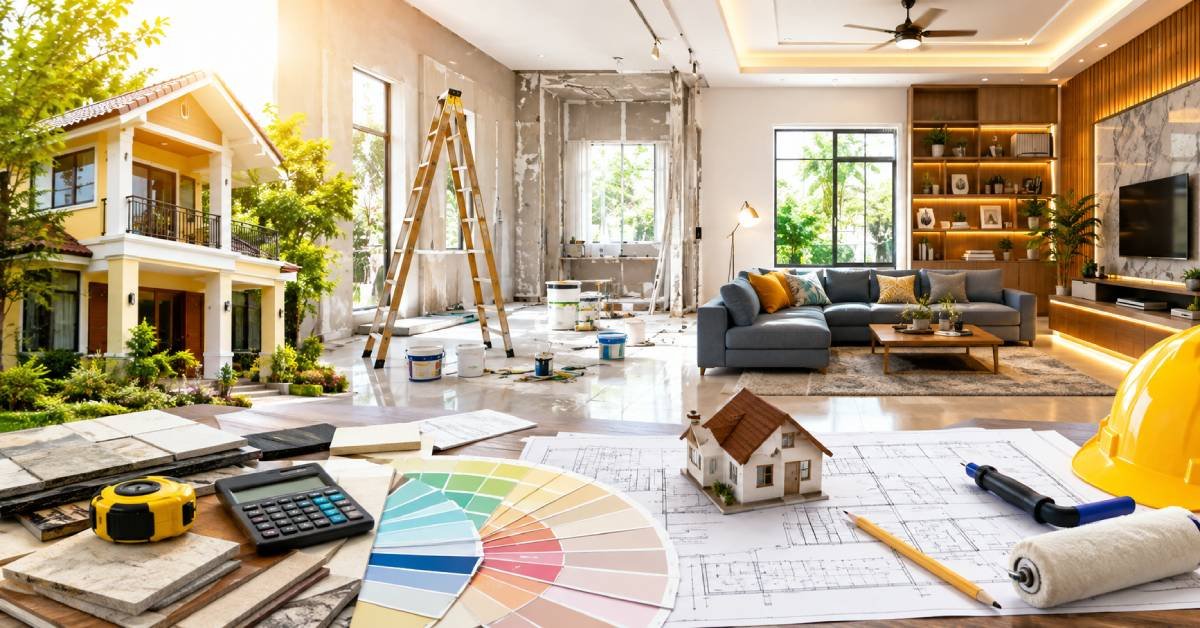
A home renovation guide will surely help anyone turn a house into a home. Home renovations are way beyond tiling and painting. At a certain point in every house, walls start telling us it's time for an update.
It could be because the kitchen hasn’t been able to accommodate our growing needs, or maybe the bathroom is so last century, or the lounge room needs to express your renewed sense of style. Or perhaps it’s a sentimental family home ready for a fresh outlook.
But there can be a few hiccups along the way. From budgets unexpectedly blowing out, endless materials and finishes getting confusing, to renovations that unexpectedly turn remodels into a disaster zone.
The guide takes you right the way through step by step planning and budgeting for your renovation, to selecting appropriate building materials and importantly, how to avoid common mistakes.
Why Every Home Renovation Should Start with a Plan
A few minutes on your kitchen remodel plan will help you not to lose the budget and unnecessary extra money on purchases and it’s up to you now to decide about your dream kitchen.
Ask yourself questions, like “what problems am I solving?” or “which spaces need renovation the most?” Then follow these Home Renovation Guide steps:
Step 1: Define Your Renovation Goals
You might be renovating because:
- Your family has grown.
- Your interiors feel outdated.
- The house needs repairs.
- You're preparing to sell.
- You want better functionality.
- You're creating your dream home.
Every reason yields a different renovation outcome.
For instance, someone renovating to sell will look for neutral colours and timeless finishes. On the other hand, people looking to stay in the home for a significant amount of time may opt for higher quality materials and highly personal spaces.
Step 2: Understand Your Home Renovation Cost
Your Home Renovation Cost depends on several factors:
Property Size
Naturally, larger homes require more materials and labour.
Scope of Work
There's a significant difference between:
- Cosmetic renovation
- Partial remodelling
- Complete home renovation
Material Selection
Premium finishes can dramatically increase costs.
For example:
- Standard ceramic tiles
- Vitrified tiles
- Large-format porcelain
- Natural marble
Each comes with a different price point and maintenance requirement.
Labour Charges
Skilled labour often accounts for a considerable portion of renovation expenses.
Custom Work
Designer lighting and custom wardrobes or built-in furniture – all come at a higher cost than pre-fabricated.
Budgeting Tip:
Ensure that you've got between 10-20% available as contingency for unexpected works (plumbing failures, discovering unearthed wiring, or even structural work in older homes).
Step 3: Create a Realistic Timeline
Every homeowner dreams that their renovation will be wrapped up “next month”. Life has a funny way of interfering, whether in the form of delivery of materials, availability of contractors, poor weather or changed design.
A realistic remodeling schedule includes the following:
- Planning
- Design approval
- Material selection
- Procurement
- Demolition
- Civil work
- Plumbing
- Electrical work
- Flooring
- Painting
- Final installation
- Cleaning and inspection
Rushing any stage often leads to mistakes that become expensive later.
Choosing the Right Materials
The secret isn't choosing the most expensive option. This Home Renovation Guide shows you how to choose materials that suit your lifestyle.
Flooring
Consider:
- Durability
- Slip resistance
- Maintenance
- Moisture resistance
- Long-term appearance
Bathroom Fixtures
Choose as per:
- Water efficiency
- Ease of cleaning
- Build quality
- Warranty
- Availability of spare parts
Kitchen Surfaces
Kitchen materials should resist:
- Heat
- Moisture
- Stains
- Daily wear
Quartz and good porcelain surfaces can work really well in a busy family kitchen for practical reasons.
Modern Home Renovation Design Trends
Some timeless home renovation design ideas include:
Warm Neutral Colours
Warm neutrals such as creamy beiges, warm grays, and rich browns in natural shades to create inviting and inviting rooms.
Natural Textures
From the look of stone tiles to rustic wood accents and textural walls, layered textures add depth and depth to the room without it feeling cramped.
Better Lighting
Good layered lighting alone can revitalize and completely restyle the home, or be blended into an existing style to give the rooms a stronger and richer effect.
Combine:
- Ambient lighting
- Task lighting
- Accent lighting
Instead of relying on a single ceiling fixture.
Open Layouts
Where structurally possible, opening up living and dining spaces creates brighter, more social homes.
Hidden Storage
Built-in cabinets and multifunctional furniture help reduce clutter while maintaining clean, modern interiors.
Home Renovation Ideas That Make a Big Difference
Renovating needn’t necessarily involve the entire house.
A major portion of home renovation ideas can also come from the following small yet remarkable home design plans:
- Update your flooring
- Switch out old fittings in bathrooms
- Put in bigger windows where possible
- Design accent walls with texturing
- Update kitchen backsplash
- Incorporate multi-layered lighting
- Update wardrobes with organised storage
- Add a functional workspace
Renovation Ideas for Old Homes
When considering renovation ideas for old homes, you should aim to contrast the existing traditional character with modern living comforts.
You can consider:
- Reclaiming original woodwork.
- Replacing current electrical or plumbing systems.
- Improving insulation of the house.
- Replacing any damaged flooring.
- Installing energy-efficient lighting.
Wherever possible, such features should be retained. Modernizing the kitchen and bathrooms in keeping with the style of the house.
One approach which I really like for renovating an older house is to retain one or two of the original features – it could be a wooden staircase or a section of original floorboards and incorporate these into an otherwise modern interior.
Renovating Homes in Bangalore: What to Consider
A city’s conditions have a greater significance in your Home Renovation Bangalore project than you assume. Moisture and air circulation are critical for the city climate conditions. Materials that combat humidity together with appropriate waterproofing of toilets and balconies result in sustained longer-term stability.
Traffic and logistics could affect project scheduling and hence it will require procuring materials and coordinating its delivery with contractor to overcome time lost in transportation for the unnecessary time.
Common Home Renovation Mistakes to Avoid
Even well-planned projects can run into problems.
Avoid these common mistakes:
- Starting without a detailed budget
- Ignoring structural issues
- Choosing appearance over durability
- Hiring contractors without checking references
- Making design changes midway
- Forgetting storage planning
- Overlooking ventilation
- Buying materials before final measurements
- Not keeping a contingency fund
FAQs
Q1. What is the correct order to renovate a house?
Plan and Design, Structural work, Plumbing, Electrical work, Flooring, Painting. Lastly, Fittings & Decor. Any finishing work should always be done last.
Q2. What are the steps of a home renovation?
Plan budget, finalize the design, finalize the materials, hire professionals, do civil and utility work, finish installation, and check all the things before moving in.
Q3. What is the most expensive part of a house to renovate?
Kitchens and bathrooms usually cost the most due to plumbing, cabinetry, fittings, and premium finishes. Investing in quality here is often worth it.
Q4. What are the biggest home renovation mistakes?
Skipping a budget, choosing style over functionality, ignoring waterproofing, and making last-minute design changes.
Q5. What are the most overlooked home needs?
Storage, ventilation, lighting, and waterproofing are often overlooked.
Conclusion
A project doesn't need to tick every trend. It just needs to create the best home for you. Through smart planning, wise budgeting, excellent materials and great support, nearly any room in the home can be enhanced.
Whether you dream big with a full overhaul or make strategic adjustments along the way, a good home renovation plan may just open your eyes. We hope this Home Renovation Guide helps you start!


